



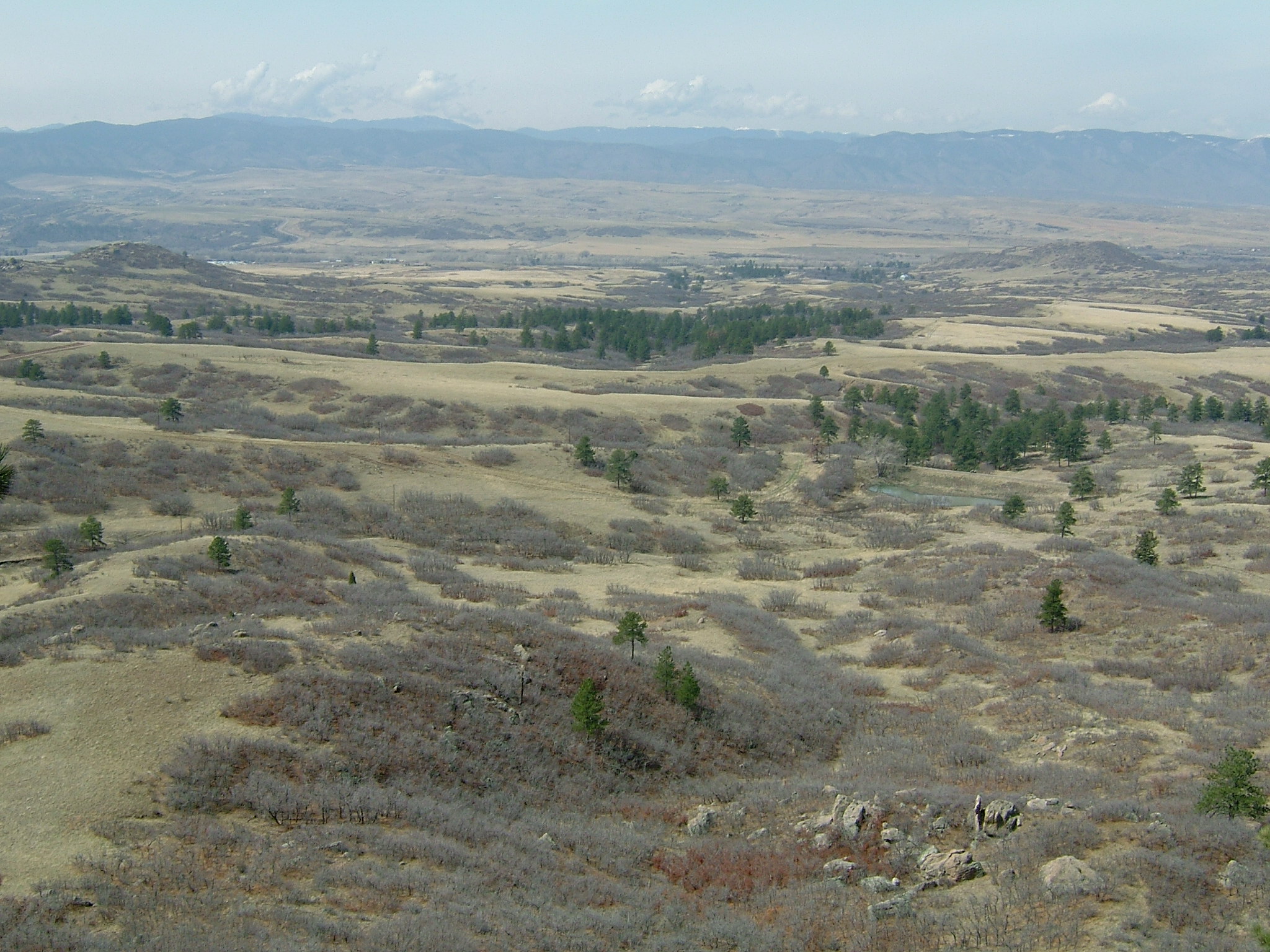
We have decades of experience assisting family ranches with estate planning in Colorado. Estate planning for family ranches is crucial to ensure a smooth transfer of ownership, minimize taxes, and preserve the land and legacy for future generations. It’s more complex than a typical estate plan due to land value, potential agricultural use, family dynamics, and legal regulations. Here’s a step-by-step guide:
1. Define Your Goals
- Succession: Who will take over management and ownership?
- Equal vs. Fair Distribution: Will heirs be treated equally or fairly (e.g., active vs. non-active family members)?
- Preserve Legacy: Maintain ranch operation, land conservation, or family traditions?
2. Assemble a Team
- Estate Planning Attorney (with agricultural experience)
- CPA or Tax Advisor
- Land Appraiser
- Financial Planner
- Ranch Manager (if not owner)
3. Asset Inventory
- Land (with current appraisal)
- Livestock
- Equipment
- Mineral/water rights
- Debt/liens
- Conservation easements
- Business entities (LLC, S Corp, etc.)
4. Ownership Structure
- Sole Proprietorship: Simple, but risky
- Partnerships / LLCs: Useful for shared ownership and liability protection
- Family Limited Partnerships (FLPs): Common for estate planning
- Trusts: Revocable or irrevocable, useful for avoiding probate and managing distributions
5. Estate Planning Tools
- Wills
- Living Trusts
- Irrevocable Life Insurance Trusts (ILITs)
- Buy-Sell Agreements (if multiple owners)
- Gifting Strategies (annual exclusion gifts, lifetime exemption use)
6. Tax Considerations
- Estate Tax: As of 2025, the federal exemption is scheduled to drop to ~$6 million/person unless extended.
- Step-Up in Basis: Can help heirs reduce capital gains tax
- Valuation Discounts: For lack of marketability or control in LLC/FLP interests
- Section 2032A: Special use valuation for farmland (reduces estate tax based on ag value)
7. Transition Planning
- Gradual Transfer: Through lifetime gifts or ownership interests
- Mentorship: Involve next generation in operations early
- Written Succession Plan: Clarifies roles and timeline
8. Contingency Planning
- What if the heir isn’t interested?
- What if the ranch needs to be sold?
- Long-term care or disability?
9. Conservation Easements (Optional)
These legally restrict land use to conserve it, offering:
- Potential estate tax and income tax reductions
- Legacy preservation of ranch land
10. Regular Review
Update your estate plan:
- Every 3–5 years
- After major life events (death, marriage, divorce, health change, law changes)
Based in Douglas County, Colorado, our Colorado equine lawyers assist all types of clients in horse law, equine law and equestrian law issues. Equine Attorney Marc Patoile is one of few Colorado attorneys who practices in equine law matters, and he literally “wrote the book” on Colorado equine law. He is a nationally published equine law attorney, with over 100 magazine articles and he has taught other attorneys in this area by lecturing at Colorado Continuing Legal Education seminars.
Marc Patoile represents hundreds of horse related businesses from ranch owners, hunter-jumper facilities, show grounds, farms, breeders, trainers, dressage training facilities, hunt clubs, guides and outfitters, rodeo clubs and facilities, Western pleasure barns, carriage driving businesses and individuals, polo facilities, barn managers, and individuals involved in equine related activities. He walks the walk and talks the talk, he and his family having ridden in most all of those equine activities over the last twenty years. He also draws from the depth of experience of the firm, which has attorneys who specialize their practices into areas such as small business formation, contracts, estate planning, real estate transactions, land use planning and development, among many other areas which are important to our equine law clients. Give Marc Patoile a call today at 303-688-3045.